
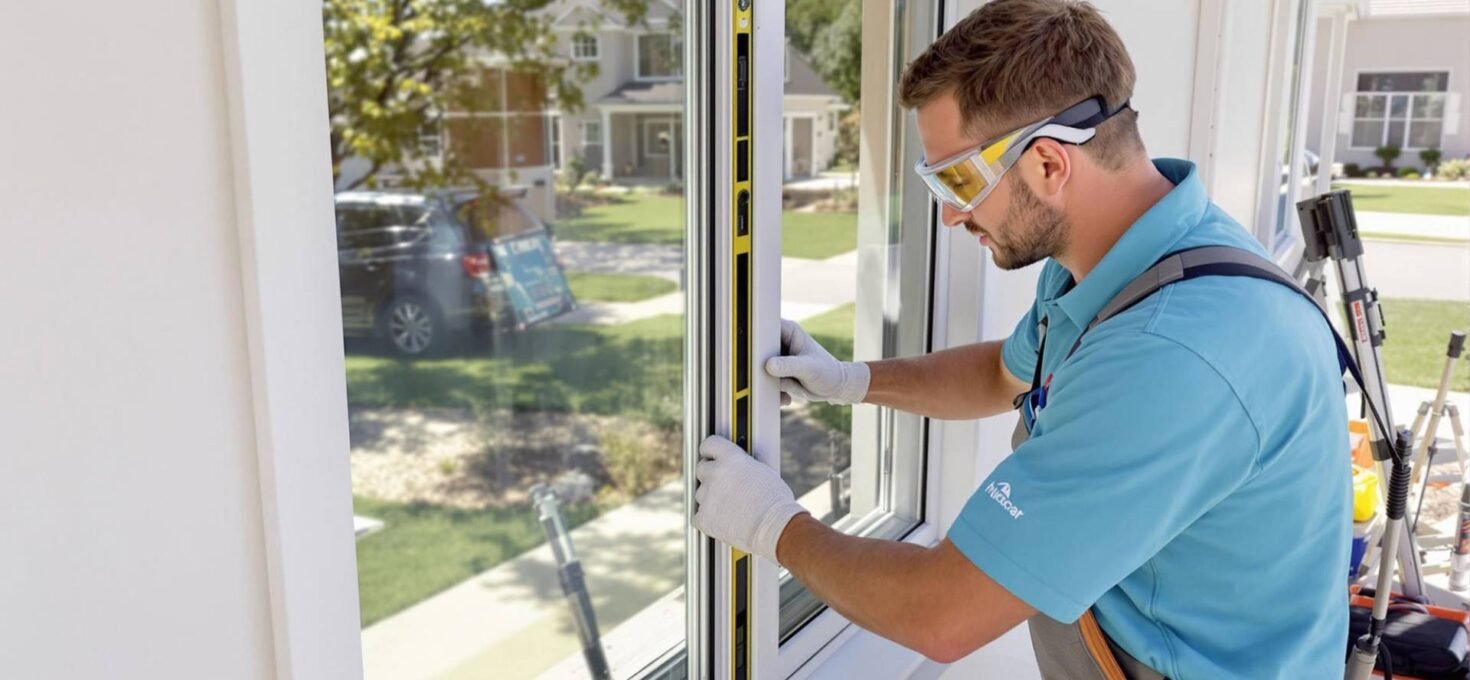
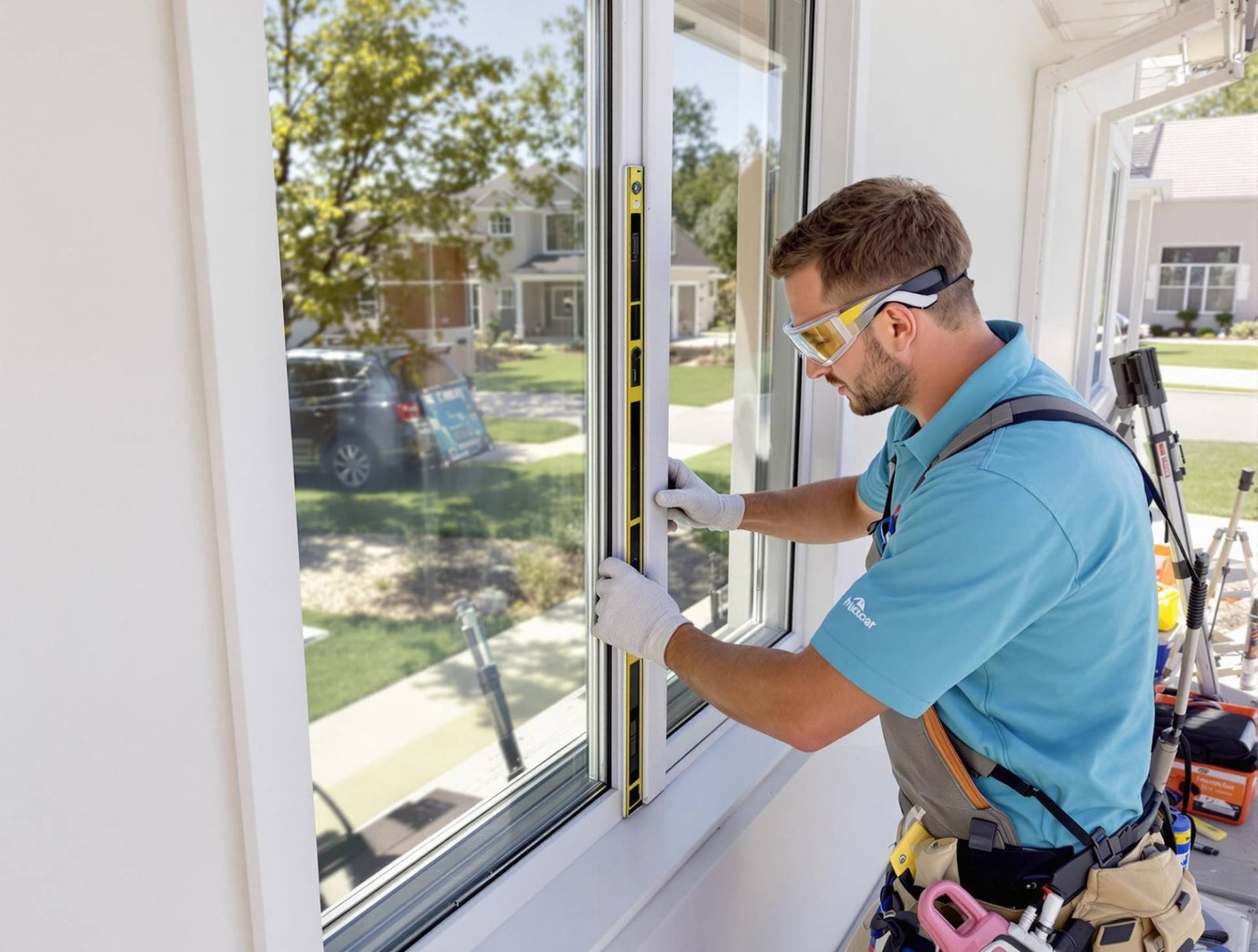
Choosing new double glazing is an important investment in your home. The right windows can improve insulation, reduce outside noise and make rooms more comfortable throughout the year. However, the quality of the installation matters just as much as the quality of the windows themselves.
With several companies offering different products, prices and guarantees, comparing installers carefully can help you make a confident decision. Here are the key factors to consider before signing a contract.
1. Check Credentials and Experience
Start by researching each company’s background. Look for established businesses with relevant experience in replacement windows, glazing systems and home improvement projects. Customer reviews can reveal useful information about communication, punctuality and workmanship.
For replacement windows in England and Wales, check whether the installer belongs to a recognised Competent Person Scheme, such as FENSA or CERTASS. These schemes help demonstrate compliance with applicable Building Regulations.
Ask about previous projects and request references if available. A reliable installer should be willing to explain their process and answer questions clearly.
2. Compare Quotations Carefully
Price is important, but the cheapest quotation is not always the best value. Request at least three written quotes and check that each covers the same work.
When comparing double glazing installers Watford, homeowners should look beyond the headline price and examine the products, installation methods and aftercare included in each proposal.
Check whether the quotation includes:
- Window frames, glazing units and necessary hardware.
- Removal and disposal of existing windows.
- Installation, sealing and finishing work.
- Any additional repairs or adjustments.
- Warranty details and applicable certification.
Ask for a breakdown of costs and confirm whether the quoted price includes VAT. Written details make it easier to identify differences between offers and avoid unexpected charges.
3. Assess Window Quality and Energy Efficiency
Not all double glazing products offer the same performance. Compare the specifications rather than relying on general claims about energy savings.
Ask about the window’s energy rating, glazing type, frame material and thermal performance. Features such as low-emissivity glass, suitable gas-filled cavities and well-sealed frames can help reduce heat loss.
The best option will depend on your property, budget and priorities. For example, acoustic glazing may be worth considering if your home faces a busy road.
A knowledgeable installer should explain the available options and recommend products suited to your requirements.
4. Review Guarantees and Aftercare
A good installation should come with clear written warranty terms. Check how long the guarantees last and whether they cover the frames, glass, hardware and installation workmanship separately.
Ask who handles repairs if a window develops condensation between panes, a hinge fails or a seal becomes damaged. You should also understand what exclusions or maintenance conditions apply.
Confirm which building regulations compliance certificate you will receive after completion. Government guidance explains the importance of using an appropriately registered installer or arranging the required building control process.
5. Look for Clear Communication
Professional service begins before installation day. Notice whether the company answers questions promptly, provides a detailed schedule and explains any limitations.
Before choosing an installer, confirm the following:
- Is the installation date agreed in writing?
- Are payment terms and cancellation conditions clear?
- Who will manage the work and resolve concerns?
- Will the team protect your home and remove waste?
Clear communication helps prevent misunderstandings and makes the project easier to manage.
Conclusion
Comparing double glazing installers involves more than finding an attractive price. Check credentials, compare equivalent quotations, assess window performance and review guarantees before making your decision. Local experience, transparent communication and reliable aftercare also matter.
Taking time to evaluate these factors can help you choose an installer who meets your needs and delivers a professional result for your home.