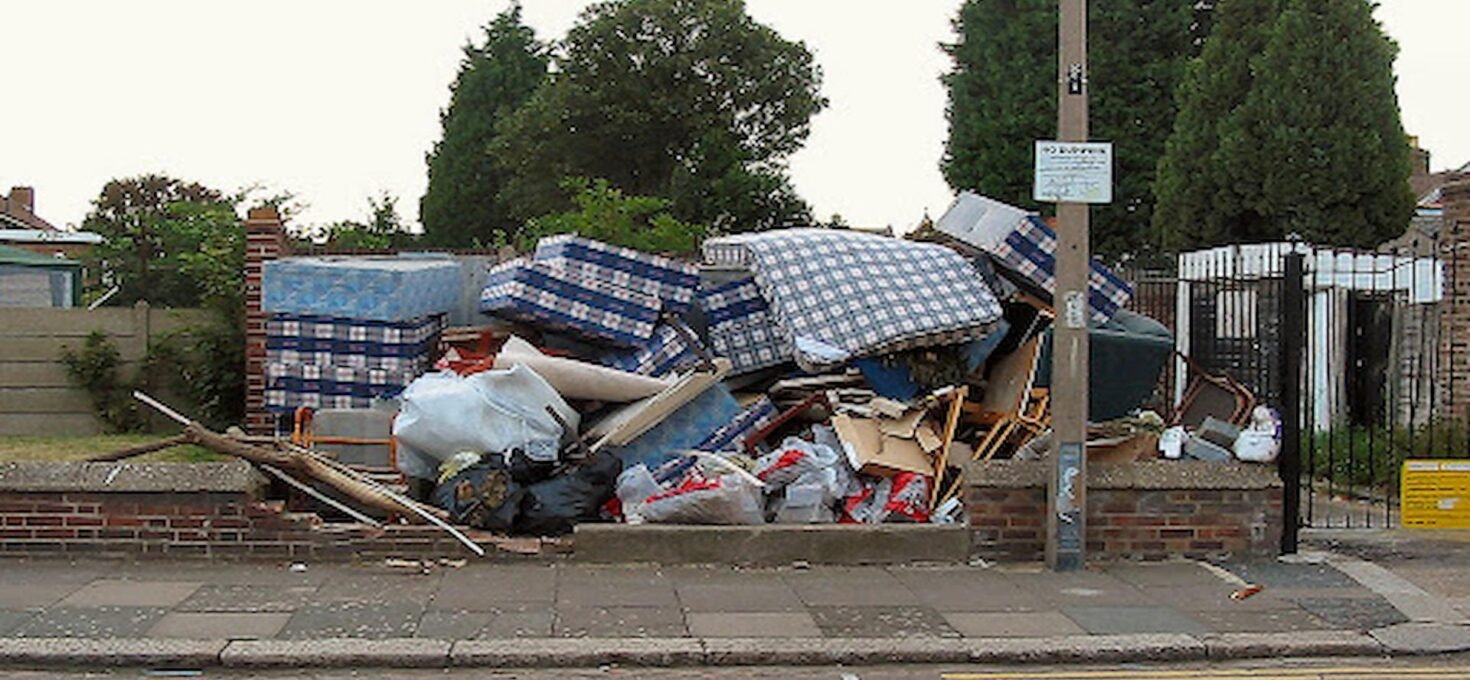

Fly-tipping is a growing concern across many parts of West London, affecting residential streets, green spaces, and commercial areas alike. It not only creates an eyesore but can also pose health risks and environmental damage if not handled properly. For residents and property managers, knowing how to deal with illegally dumped waste safely and responsibly is essential.
Whether it appears outside your home, near a business premises, or in a shared community space, acting quickly and correctly can prevent further issues. Understanding the right steps ensures that the waste is cleared without causing harm to yourself or others, while also staying compliant with local regulations.
Understanding the Risks of Fly-Tipped Waste
Before taking any action, it is important to recognise that fly-tipped waste can be unpredictable. Items may include household rubbish, construction debris, or even hazardous materials such as chemicals or broken glass. Direct contact without proper precautions can lead to injuries or exposure to harmful substances.
Additionally, some waste may attract pests or contribute to pollution if left untreated. This is why a cautious and informed approach is always recommended when dealing with such situations.
Assess the Situation Carefully
The first step is to observe the waste from a safe distance. Try to identify what has been dumped without touching it. If you notice anything potentially dangerous, such as sharp objects, unknown liquids, or electrical items, it is best not to handle them yourself.
In many cases, local authorities in West London provide guidance on reporting fly-tipped waste. Taking a photo and noting the location can help speed up the process if you decide to report it. This also ensures that the issue is documented properly.
Use Protective Measures When Handling Waste
If the waste appears safe to handle and you choose to remove it yourself, always take basic safety precautions. Wearing gloves is essential to avoid direct contact with dirt, bacteria, or sharp edges. Closed footwear and long sleeves can provide additional protection.
Avoid lifting heavy or bulky items alone, as this can lead to physical strain or injury. If the waste includes large furniture or construction materials, professional help is often the safer option.
Dispose of Waste Responsibly
Proper disposal is one of the most important aspects of handling fly-tipped waste. Simply moving the rubbish to another location is not a solution and may even result in penalties.
Instead, consider using licensed waste disposal services or local recycling centres. Many councils in West London offer collection services for bulky items, ensuring they are processed in an environmentally responsible way. Separating recyclable materials where possible can also reduce the overall impact on landfills.
When to Seek Professional Help
There are situations where handling the waste yourself is not advisable. This includes cases involving hazardous materials, large volumes of rubbish, or repeated fly-tipping incidents in the same area.
Professional waste removal services are equipped to deal with such challenges efficiently. They have the tools, training, and legal permissions required to remove and dispose of waste safely. In areas like West London, services related to fly tip waste removal West London are specifically designed to manage these issues in a compliant and effective manner.
Preventing Future Fly-Tipping
Dealing with existing waste is only part of the solution. Taking steps to prevent future incidents can make a significant difference in maintaining a clean and safe environment.
Improving visibility around your property, such as installing lighting or CCTV, can deter illegal dumping. Ensuring bins are secured and not overfilled also reduces the chances of attracting unwanted waste. Community awareness plays a key role as well—when residents stay vigilant and report issues promptly, it becomes harder for offenders to act unnoticed.
Working with Local Authorities
Local councils in West London play a central role in managing fly-tipping incidents. Reporting the issue allows them to investigate, remove the waste, and potentially take action against those responsible.
Most councils provide online reporting tools, making the process straightforward. Providing clear details, including photos and exact locations, helps authorities respond more effectively. This collaborative approach between residents and councils contributes to cleaner neighbourhoods.
Environmental Responsibility Matters
Handling fly-tipped waste correctly is not just about cleanliness; it also supports environmental protection. Improper disposal can lead to soil contamination, water pollution, and harm to wildlife.
By choosing responsible disposal methods and avoiding shortcuts, individuals contribute to a more sustainable community. Even small actions, such as sorting recyclable items or using authorised services, can have a positive impact over time.
Conclusion
Fly-tipped waste is an unfortunate but manageable issue in West London. With the right approach, it is possible to handle it safely, protect your surroundings, and prevent further problems. Assessing the situation carefully, using protective measures, and disposing of waste responsibly are key steps in the process.
When in doubt, seeking professional assistance ensures that the waste is dealt with correctly and in line with regulations. By staying informed and proactive, residents and property managers can play an important role in keeping their communities clean, safe, and environmentally responsible.